
18 years on the tools
Certified AS 3740 waterproofing, done in-house
One trade, one accountability
Free fixed written quote
18 years on the tools
Certified AS 3740 waterproofing, done in-house
One trade, one accountability
Free fixed written quote
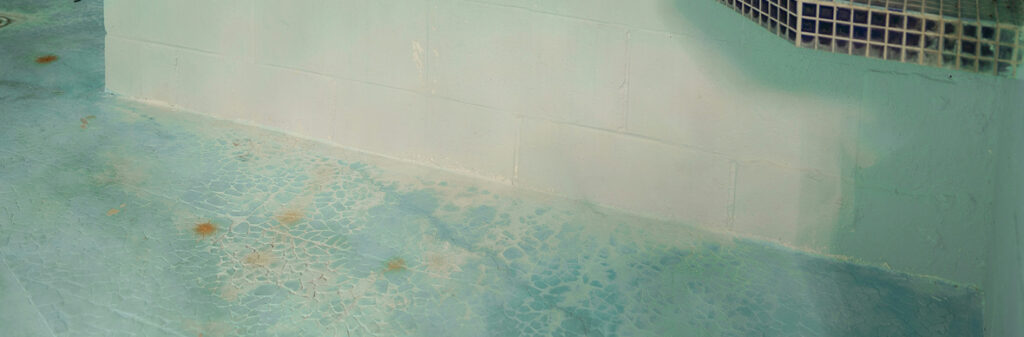
Most bathroom problems are not tiling problems. They are waterproofing problems that show up two years later. A wall that stays damp, a floor that lifts, a smell that will not go. By the time you see it, the membrane under the tile has already failed.
This is the most expensive mistake in any bathroom, because fixing it means pulling up the tiles you just paid for. Here is why bathroom waterproofing fails in Melbourne homes, the early warning signs, and what a job done to AS 3740:2021 actually looks like.
Waterproofing is a membrane applied to the floor and walls of a wet area before the tiles go on. Once the tiles are laid, you never see it again. That is exactly why it is the corner that gets cut on a job done to a price. Nobody can check it.
A bathroom can look perfect on day one and still be failing behind the tile. The finish hides the fault until the water finds a way out.
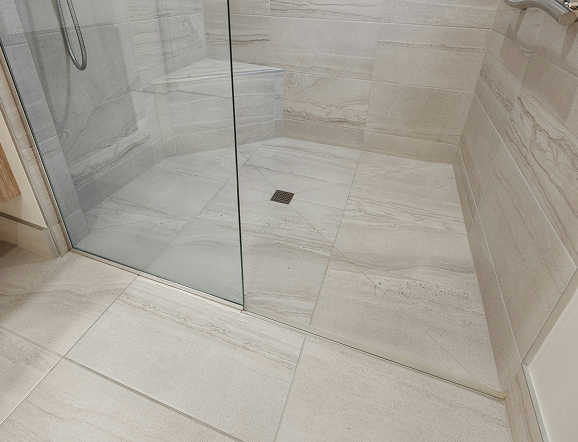
On a tight budget or a tight timeline, the membrane is where time gets saved. A coat too thin, or skipped at the corners, and water gets through.
Most leaks start where two surfaces meet: the floor-to-wall join, around the waste, at the shower screen. These junctions need bond breakers and careful detailing. Done quickly, they are the first point of failure.
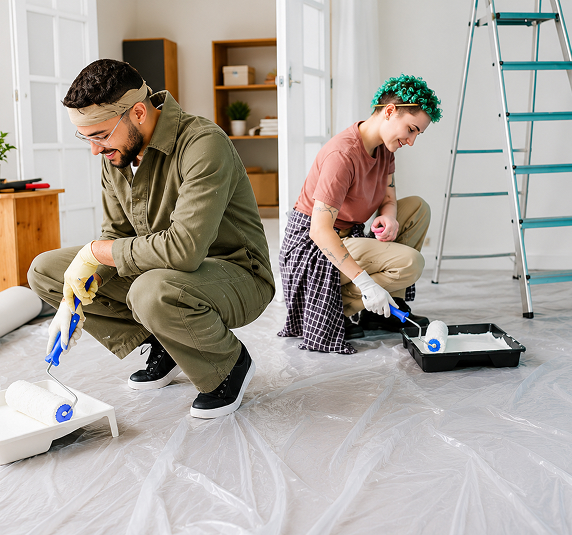
The floor of a wet area must slope to the drain. If the screed is flat, water pools and sits on the membrane instead of running off. Standing water finds the weak point eventually.
On timber floors and old substrates common in Melbourne's period homes, the base flexes. A membrane that cannot handle that movement cracks. The right system is chosen for the substrate, not applied to every job the same way.
On most jobs the waterproofer and the tiler are different trades. When a leak appears, each blames the other, and the homeowner is left in the middle. Nobody owns the fault.
Any of these means water is getting past the membrane. It does not fix itself, and it gets worse.
AS 3740:2021 is the Australian Standard for waterproofing domestic wet areas. It sets out where membranes are required, how high they must run, and how the junctions must be treated. It exists because wet-area failures are common and expensive, and the standard is the floor, not the goal.
A job done to AS 3740 means the shower is fully waterproofed, the floor membrane turns up the wall, the junctions are detailed with bond breakers, and the falls run to the waste. In Victoria, waterproofing of wet areas is regulated work, and a registered waterproofer should be doing it.
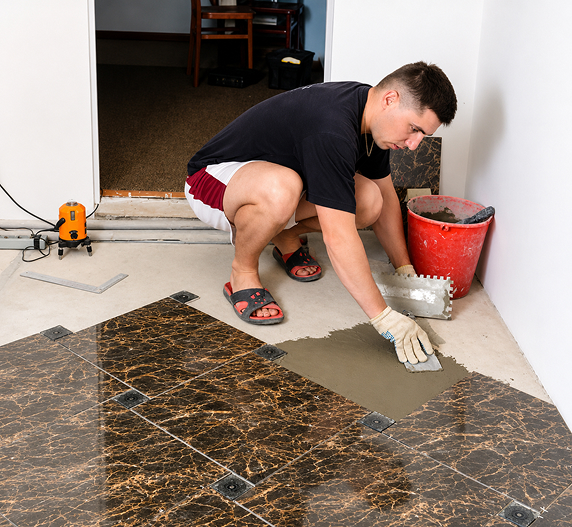
The single biggest fix for the accountability problem is simple. One trade does both the waterproofing and the tiling. When the same team lays the membrane and lays the tile, there is no hand-off and no one to blame. One contractor owns the wet area, start to finish.
We waterproof wet areas to AS 3740 in-house, then tile to AS 3958.1, and we photograph the membrane going down so the hidden work is on the record. The proof of the work you cannot see is there if you ever need it.
Sometimes. If the failure is caught early and limited to the silicone or a small area, a targeted repair can work. But once water has been getting through the membrane for a while, the only reliable fix is to remove the affected tiles, rebuild the waterproofing to standard, and re-tile. A patch over a failed membrane buys months, not years.
The honest answer depends on the bathroom, which is why it is worth having a trade that owns the waterproofing look at it before you spend.
Bathroom waterproofing fails because it is hidden, rushed, or split across trades that do not own the result. Done to AS 3740 by one accountable trade, with the junctions detailed and the falls right, it does not. If your bathroom is showing any of the warning signs above, get it looked at before the repair gets bigger.

Done to AS 3740 on a sound substrate, the membrane should last the life of the bathroom. Most early failures trace back to rushed application or poor junction detailing.
Usually no. A genuine fix means removing the affected tiles, rebuilding the membrane to standard and re-tiling. Surface sealers over a failed membrane are temporary.
Waterproofing of wet areas is regulated work, and a registered waterproofer should carry it out. Registration can be checked with the Victorian Building Authority.