
18 years on the tools
Certified AS 3740 waterproofing, done in-house
One trade, one accountability
Free fixed written quote
18 years on the tools
Certified AS 3740 waterproofing, done in-house
One trade, one accountability
Free fixed written quote
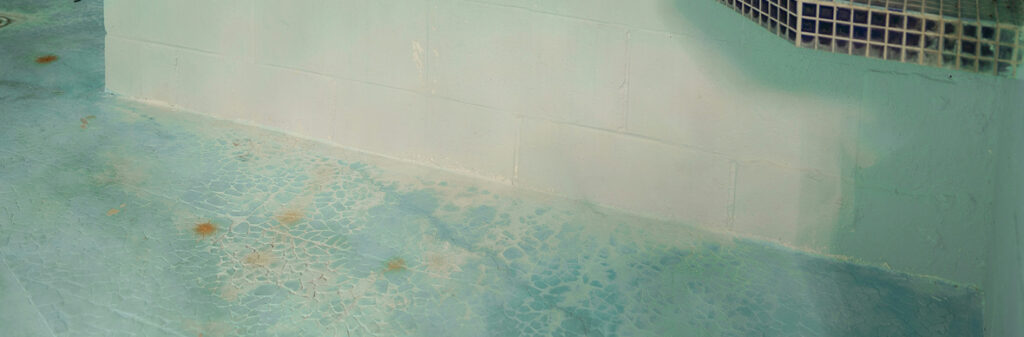
If your Melbourne pool is showing its age, the finish is usually the reason. The surface has gone rough, the waterline is stained, or the colour has faded. When it is time to refurbish, the big decision is the finish, and the two most common choices are a fully tiled pool and pebblecrete. Here is a plain comparison of how they look, how long they last, what they cost to maintain, and which suits a refurbishment.
Pebblecrete is a mix of cement and small pebbles, applied to the pool shell and then exposed and polished. It is the most common pool interior in Australia, because it is relatively quick to apply and well-priced. The finish has a natural, textured look.
A fully tiled pool lines the entire interior with tiles or mosaic. It is the premium finish, more involved to install, and it gives a smooth, rich surface and a deep water colour. Many pools use tile at least on the waterline band, even when the interior is pebblecrete.
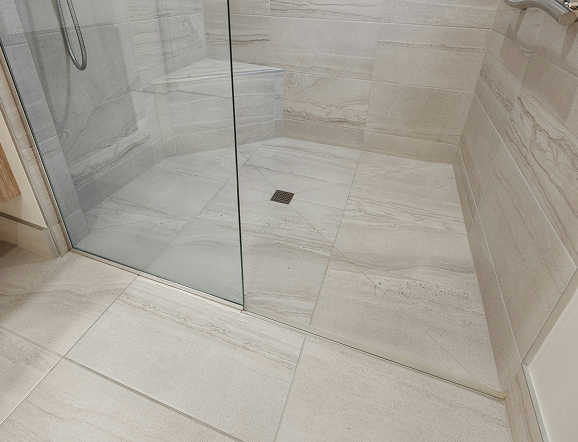
This is where the two diverge. Pebblecrete typically lasts somewhere in the range of a decade or so before it starts to roughen, stain or lose pebbles. The cement matrix is exposed to pool chemistry constantly, and over time it breaks down. When it goes, the pool needs resurfacing.
A fully tiled pool, installed properly over a sound and well-waterproofed shell, lasts considerably longer. Quality tiles do not break down in pool water the way a cement-based finish does. The investment is higher, but the replacement cycle is much further apart.
The phrase to remember is that a pool finish is only as good as the work under it. A tiled pool over poor waterproofing or a poor substrate will fail early. This is why the substrate, the pool waterproofing and the finish should be done by one trade that owns all three.
Pebblecrete gives a natural, slightly textured surface and a softer water colour. It hides minor marks well. Some people find the texture rough underfoot, especially on steps. A fully tiled pool gives a smooth surface, sharp lines and a deeper, more vivid water colour. Mosaic in particular allows detail and design that pebblecrete cannot match. It is the finish that photographs best and reads as premium.
Pebblecrete can harbour algae in its texture and stains more readily at the waterline, so it needs consistent chemistry and cleaning. As it ages and roughens, cleaning gets harder. A tiled surface is smooth and non-porous, so it is easier to wipe down and less prone to harbouring algae. The grout needs to be the right product for a pool, but a well-built tiled pool is low fuss to keep clean.
Pebblecrete is the lower up-front cost, which is why it is the default on many pools. A fully tiled pool costs more to install, because of the materials and the labour involved. The honest way to compare is over the life of the pool, not on day one. A finish that lasts twice as long can be better value across two decades, even at a higher up-front price. The right answer depends on your pool, your budget and how long you plan to keep the home.
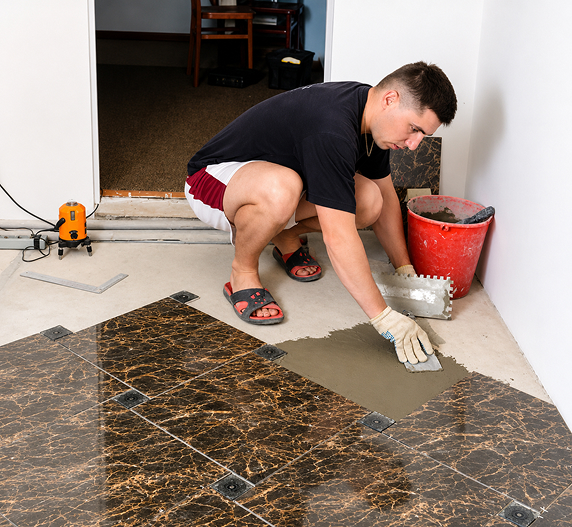
When an older Melbourne pool comes up for refurbishment, there are a few sensible paths. Re-pebble for the lower-cost option. Fully tile for the premium, long-life option. Or a middle path: a tiled or mosaic waterline band with a resurfaced interior, which lifts the look at the most visible point.
Whatever the finish, the refurbishment should include checking and rebuilding the pool waterproofing and render where needed. Skipping that is how a brand-new finish fails early. The Zia Tiling team does the full pool vertical in-house: render, waterproofing, waterline mosaic and tile resurface, so the finish sits on sound work.

Pebblecrete wins on up-front cost and a natural look. A fully tiled pool wins on lifespan, finish quality and ease of cleaning. Over the life of the pool, tile often closes the cost gap. Either way, the finish is only as good as the substrate and the waterproofing beneath it, so choose a trade that does the whole pool, not just the surface.
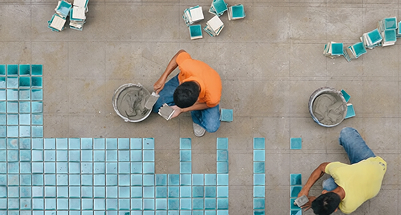
Over a sound, well-waterproofed shell, yes. Quality tiles do not break down in pool water the way a cement-based finish does, so the replacement cycle is much longer.
A waterline tile or mosaic band is a common, cost-effective refresh, and can be done on its own or as part of a full refurbishment.
The warmer months, roughly August to February, are the busiest window. Book ahead, because that period fills with pool work.