18 years on the tools
Certified AS 3740 waterproofing, done in-house
One trade, one accountability
Free fixed written quote
18 years on the tools
Certified AS 3740 waterproofing, done in-house
One trade, one accountability
Free fixed written quote
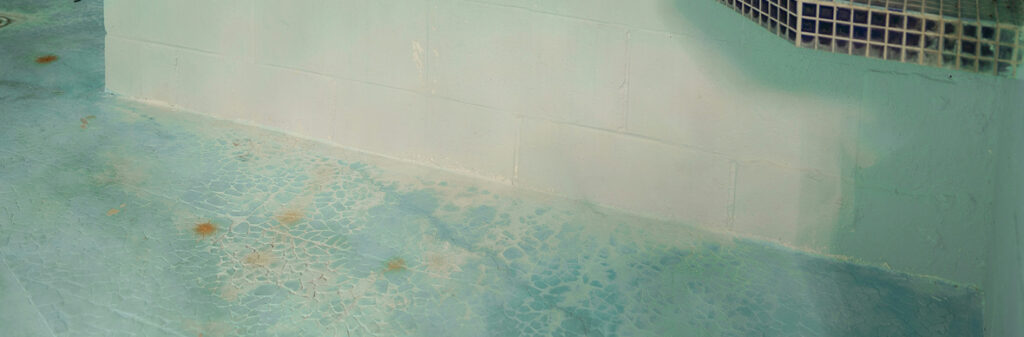
You will see “AS 3740” on quotes, websites and product labels, usually with little explanation. It is the Australian Standard that governs how wet areas in homes are waterproofed, and it is the difference between a bathroom that lasts and one that leaks. Here is what AS 3740:2021 actually means for your bathroom, in plain English, and why it matters who does the work.
AS 3740:2021 is the Australian Standard for waterproofing of domestic wet areas. It sets out the rules for waterproofing bathrooms, showers, laundries and other wet areas in homes. It covers where a membrane is required, how high it must extend, how junctions and penetrations must be treated, and what materials are suitable.
In short, it is the rulebook for doing wet-area waterproofing properly. The standard exists because wet-area failures are one of the most common and most expensive defects in Australian homes. It is published by Standards Australia and referenced by the National Construction Code.
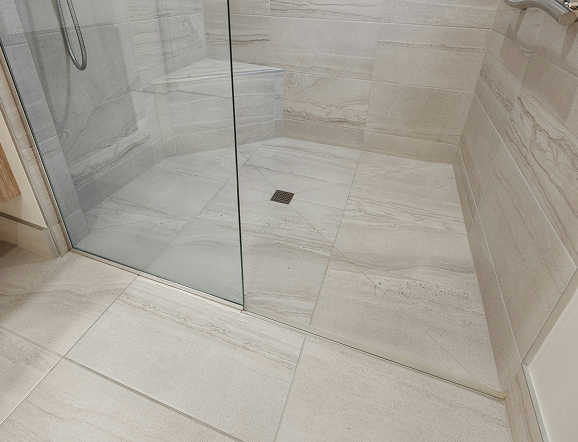
The entire shower floor and the walls to a required height are covered by a continuous membrane.
Waterproofing does not stop at the floor. It runs up the wall to a set height so water cannot track behind the tiles.
Floor-to-wall joins, corners, the waste and any penetrations are treated with bond breakers and detailing, because these are where leaks start.
The membrane system is matched to the surface it goes on, including substrates that move, like timber floors.
While falls are about screed as well as membrane, a compliant wet area drains to the outlet, so water does not pool.
In Victoria, waterproofing of wet areas is regulated. It should be carried out by a registered waterproofer, and you can check a practitioner’s registration through the Victorian Building Authority. Registration means the trade is accountable for compliant work.
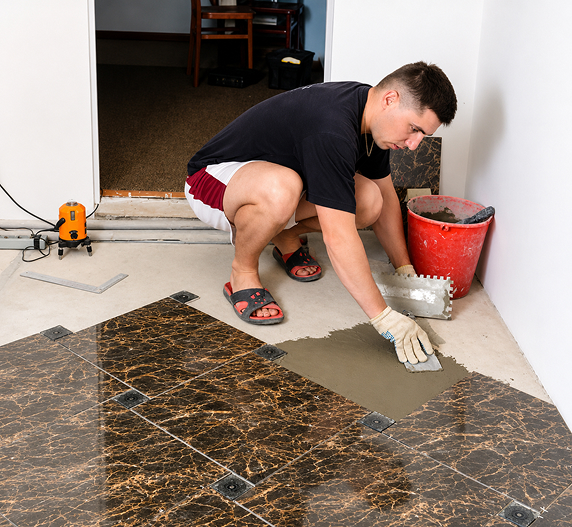
There is a second issue beyond registration: accountability on your specific job. On most renovations the waterproofer and the tiler are different trades. If a leak appears later, each points at the other. The cleanest way to avoid that is to have one trade do both the waterproofing and the tiling. The same hands that lay the membrane lay the tile, and one contractor owns the wet area. That is how the Zia Tiling team works, and we photograph the membrane before tiling, so the hidden work is on the record.
You will see bold claims in this space. Be cautious of any promise of a bathroom that is “waterproof forever” or “guaranteed never to leak”. Responsible operators do not talk that way. What you want is work done to AS 3740 by a registered, accountable trade, on a sound substrate, with the junctions detailed. Done that way, a wet area lasts for the life of the bathroom. That is the honest version of the promise.
Before you sign a quote, it is fair to ask:
Good answers to those four questions tell you a lot about whether the bathroom will last.
AS 3740 is the Australian Standard for waterproofing domestic wet areas, and it is the baseline for a bathroom that does not leak. It requires a continuous membrane, walls and junctions treated properly, and the right materials for the substrate. Just as important is who does it: a registered waterproofer, ideally the same trade that tiles the job, so one contractor is accountable for the wet area.